Field research will be conducted in villages around NARI branches (Bubia, Laloki, or Aiyura) and, as needed, in areas such as Madang, ENB or WNB.
The reasons for focusing on rice and bananas among the many genetic resources in PNG are as follows. If other valuable genetic resources are discovered during the survey, they will be added to the analysis.
In regard to rice, seven species of rice are known on New Guinea Island. Of these, Oryza longiglumis and Oryza schlechteri are known only from New Guinea. The IUCN report (https://www.iucn.org/news/species/201712/unsustainable-food-systems-threaten-wild-crop-and-dolphin-species— According to iucn-red-list), O. schlechteri were evaluated as endngered. The conservation of genetic resources of Oryza species in New Guinea is an urgent issue.
In terms of the number of species per area, New Guinea has the largest number of species in the world. Two species with the same AA genome as the Asian cultivated rice Oryza sativa are distributed in New Guinea, and this area is notable for the differentiation of the two species. In addition, wild rice species other than the AA genome, namely O. officinalis with the CC genome, O. minuta with the BBCC genome, O. ridleyi and O. longiglumis with the HHJJ genome, and O. schlchteri with the HHKK genome are distributed in New Guinea. Thus, PNG is a very important subject region for studying the evolution of the genus Oryza.
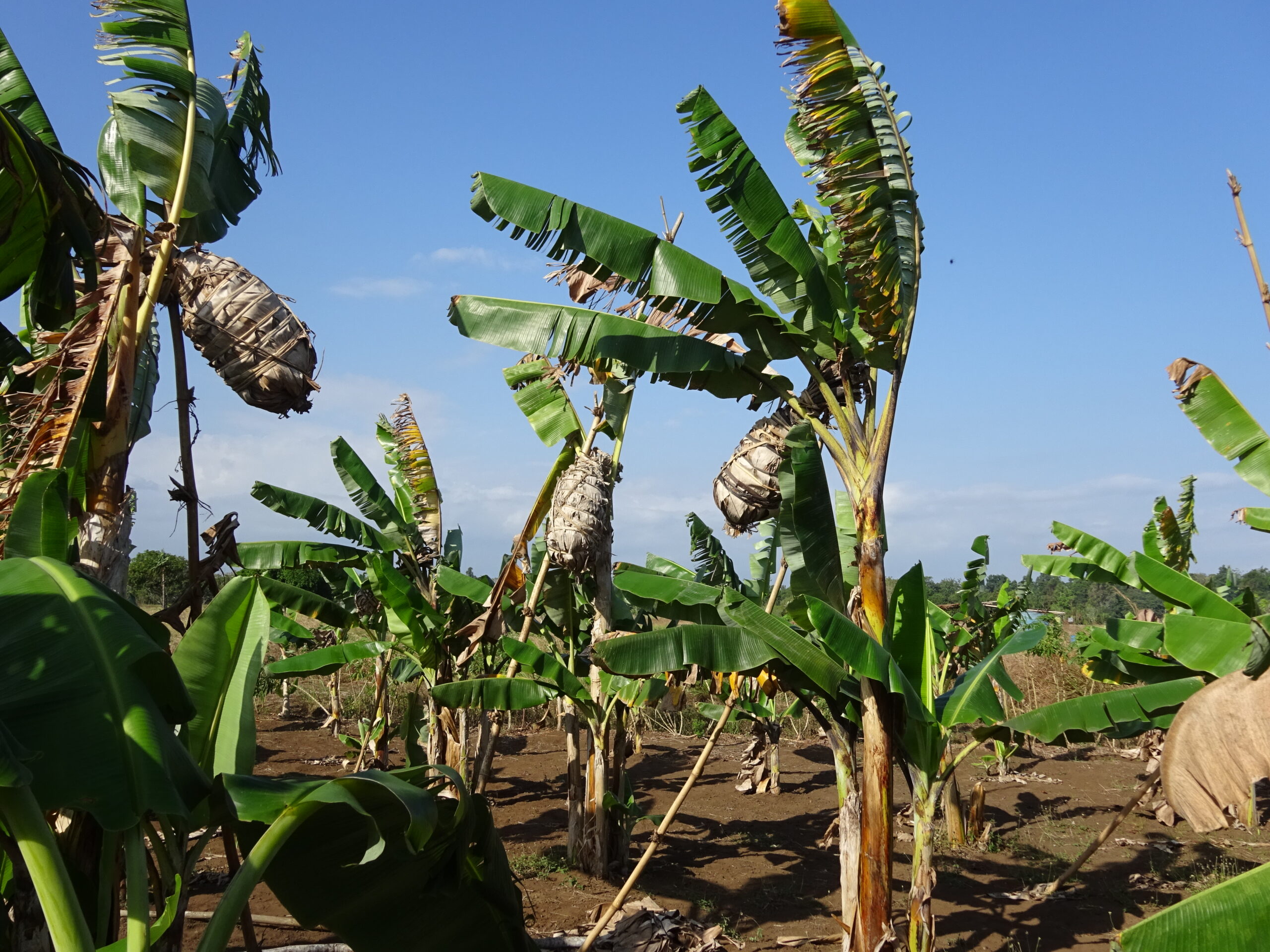
In regard to bananas, Bananas are estimated to have been domesticated between New Guinea and the Malay Peninsula, where the earliest evidence is found at Kuk Swamp in PNG [Perrier, X. et al. (2011) Multidisciplinary perspectives on banana (Musa spp.) domestication. PNAS 108(28): 11311–11318]. In addition, bananas are still one of the staple foods in PNG. However, little is known about the similarity/diversity of banana species/cultivars among linguistic groups within PNG, which is estimated to have over 700 languages.
Bananas are thought to have been first cultivated in the Asia-Oceania region including PNG, spread to tropical and subtropical regions of the world. Comparison of PNG species/cultivars with germplasm collections of other countries can reveal agricultural dispersal and human migrations. Then it is an urgent issue to establish the rights of PNG farmers who have sustained species/cultivars to their genetic resources by identifying origin of bananas of PNG.
Since the signing of the Nagoya Protocol, there has been an international call for consistent implementation of fair access to genetic resources and benefit sharing. Whether domesticated or not, the crops maintained by PNG farmers and their environment are undoubtedly important as genetic resources. Focusing on rice and bananas, the theme of this study is to determine their genetic diversity and to identify which are native and which are non-native cultivars.
Subject of Research
by
·
Leave a Reply